Staff
Staff
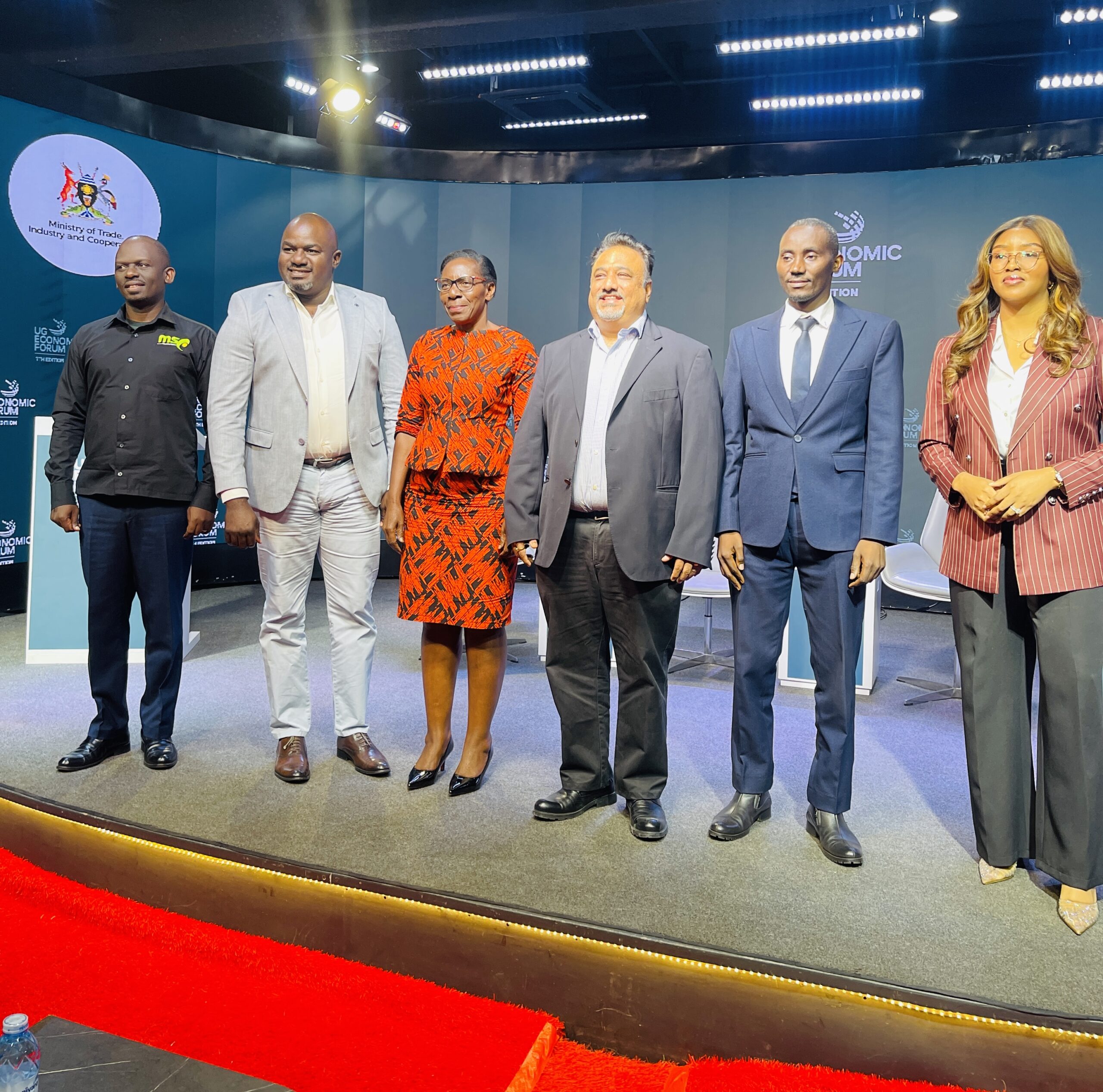
Trade experts have urged Uganda to accelerate coffee value addition and promote local consumption, saying the country could significantly increase its earnings by exporting processed coffee products rather than raw beans while deliberately cultivating a stronger domestic market.
They argue that strengthening local demand and investing in processing would not only boost export earnings but also catalyze job creation, business expansion and ultimately retain more value within Uganda’s economy.
Speaking at the 7th UG Economic Summit, organised by Next Media and partners, the experts noted that coffee remains one of Uganda’s leading foreign exchange earners, generating approximately US$2.5 billion (about UGX 9 trillion) in export revenue in 2025.
Even so, they argued that these earnings could potentially double through deliberate investment in value addition and innovations that encourage domestic coffee consumption, drawing lessons from countries such as Ethiopia.
The experts also highlighted innovations by Nonda Coffee, including its coffee-ginger and coffee-ginseng blends, as examples of product diversification aimed at broadening consumer choice and stimulating market interest.
Nonda Coffee Chief Executive Officer Tonny Miiro said farming remains one of the world’s most sustainable sources of employment but stressed that farmers must approach agriculture as a business requiring time, commitment and dedication.
“Farming has been the most sustainable employer globally. Farming is viable, but farmers must understand that it is a real business, not a hobby. It requires time and complete dedication. Our farmers must know this,” Miiro said.
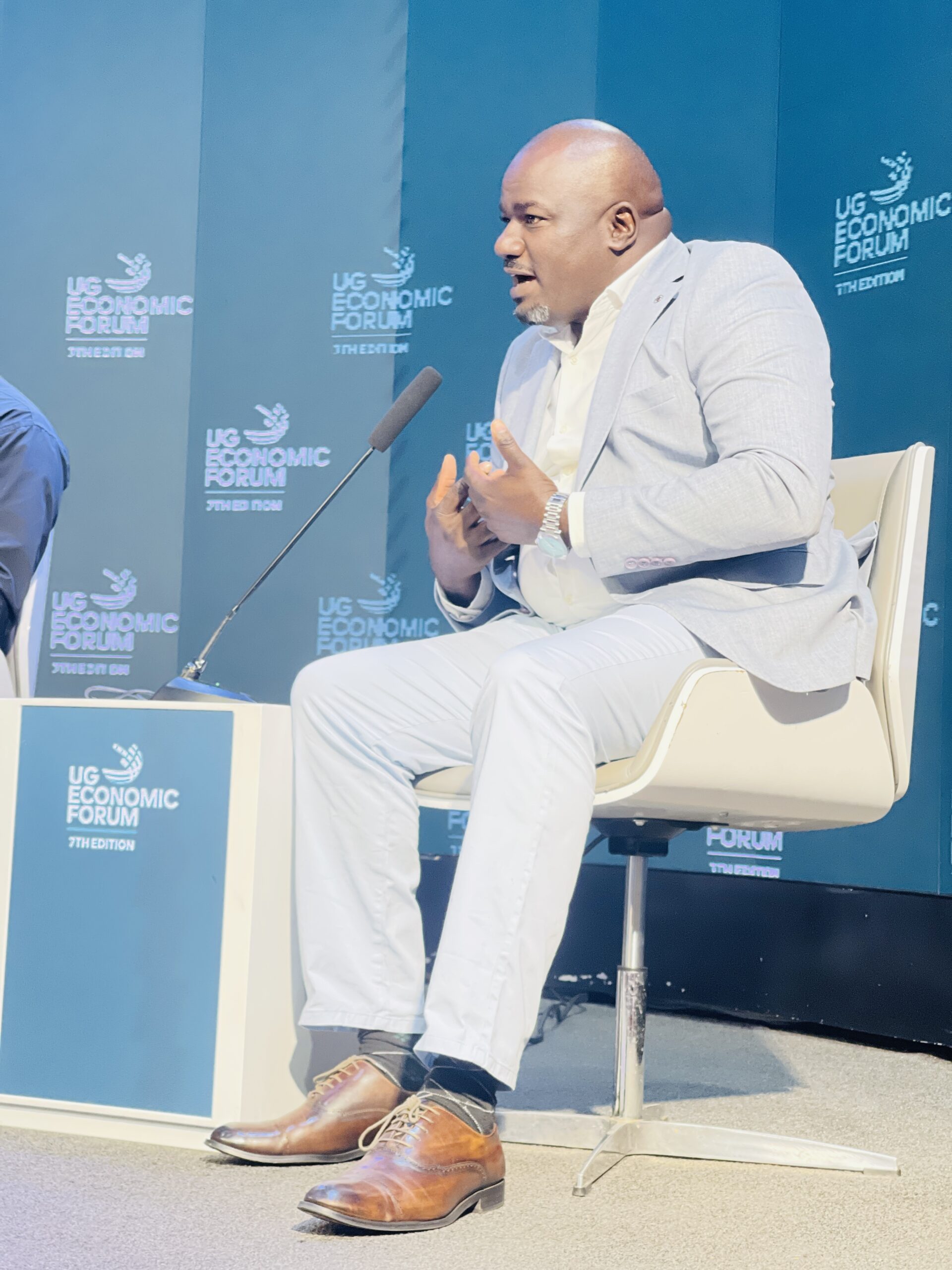
He said coffee should be treated as a value crop rather than merely a cash crop, urging farmers and other industry players to look beyond growing and selling raw produce and explore opportunities to capture greater value along the supply chain.
“Coffee, for example, is a value crop, not a cash crop. It must be looked at as such for us to get the best value from it. We must change from just growing the crop and selling it to doing more with it,” he said.
Miiro revealed that Nonda Coffee had launched the Nonda Kitawuluzi initiative, which brings farmers together through a development programme aimed at improving productivity, efficiency and their capacity to supply quality coffee.
He said the initiative forms part of the company’s broader efforts to strengthen the coffee value chain as it works towards establishing the Nonda Coffee Park in NakasekeDistrict, a planned facility he described as set to become Africa’s largest coffee value park.
Meanwhile, the Cabinet Minister for Trade, Industry and Cooperatives, Hon. Sanjay Tanna said Uganda’s position as a net exporter of several products was supported by government policies and access to regional markets.
“Uganda is a net exporter of many products, and this is because of the good policies of the NRM Government and the vision of H.E. Yoweri Kaguta Museveni. As a landlinkedcountry, we have access to several regional markets. We need to export products with better value,” Tanna said.
However, Jane Nalunga, Executive Director of the Southern and Eastern Africa Trade Information and Negotiations Institute (SEATINI), cautioned that increased export earnings from value addition must also translate into better returns for farmers.
Nalunga said deliberate measures were needed to ensure farmers shared in the additional income generated when agricultural products were processed and exported at higher values.
“Value addition is key to unlocking more export income. But does it automatically guarantee that farmers will get better farmgate prices? We must be intentional in ensuring that farmers equally benefit from the high earnings generated through value addition,” she said.
The UG Economic Summit runs until 16 October under the theme “Putting Money in People’s Pockets.”