Staff
Staff
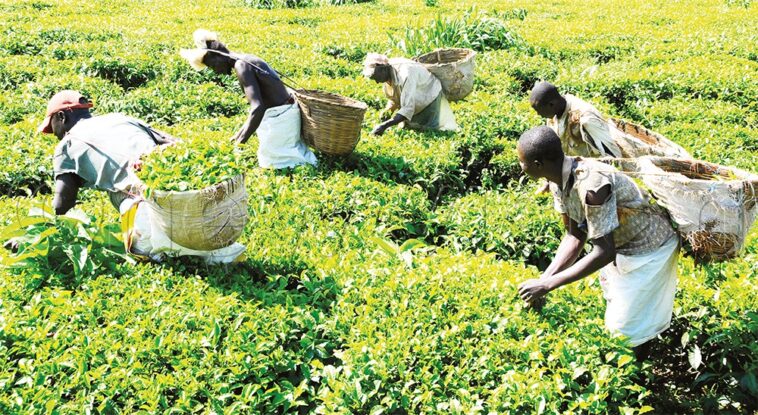
Fresh questions have emerged in the long-running Kanungu tea nursery bed compensation saga after Katabazi and the plaintiffs formally denied allegations that 30% was being deducted from money meant for nursery operators, even as reports from Kanungu indicate some beneficiaries told a State House team that they were charged.
In a letter dated May 7, 2026 to President Yoweri Museveni, the then Attorney General Kiryowa Kiwanuka said his office had reviewed the matter and found that the compensation claim stemmed from court proceedings involving tea nursery bed operators in Kanungu District against NAADS, Katabazi and Kanungu District Local Government.
According to the ex-Attorney General, the nursery operators had originally sought about Shs157.17 billion in claims for tea seedlings supplied under the Tea Development Project, as well as compensation for economic loss, damages and costs. After meetings involving the Office of the Prime Minister, NAADS, the Ministry of Finance, the Ministry of Agriculture and other technical officials, government agreed to settle the matter through a consent judgment.
The AG said under that settlement, government committed to pay Shs69.27 billion for verified seedlings, interest and taxed costs. He added that government has so far paid Shs68.25 billion in instalments.
Kiwanuka further explained that under the consent judgment, all outstanding payments were to be made to a bank account designated by the claimants. He said the claimants provided account details under Pathways Advocates’ Clients Account at NCBA Bank, Nakasero Branch, and that his office confirmed all government payments in the matter were effected through that account as instructed by the claimant
The controversy, however, centres on allegations that a portion of the money due to nursery operators was withheld before it reached them.
In the letter, the Attorney General acknowledged that his office had written to Pathways Advocates on April 20, 2026 after concerns were raised about “irregular deductions,” including claims that up to 30% of the funds due to nursery operators was being withheld.
But after a meeting held on April 29, 2026 with representatives of the nursery operators and their lawyers, Kiwanuka said both the legal representatives and the operators’ leadership denied the allegations of the 30% deductions and instead submitted a list of beneficiaries who had received payment.
That denial is now at the centre of growing scrutiny.
Commenting on the matter, journalist Willy Byarabaha said the explanation given to the Attorney General appears to clash with what people on the ground in Kanungu reportedly told a State House team that visited the district.
“They denied the 30% yet the State House team went to Kanungu and people confessed. There are contradictions between what they told the AG and what Kanungu people said,” Willy Byarabaha said.
The remarks are likely to intensify public interest in the matter, especially because the Attorney General’s office has already referred the issue to the State House Anti-Corruption Unit for further investigation.
In his letter, Kiwanuka said that to ensure transparency and accountability, his office had forwarded the matter, together with the submitted documentation, to the anti-corruption unit for inquiry, and that it would be guided by the findings of the investigation.
The latest developments mean the Kanungu tea compensation saga is far from over. While the Attorney General’s version points to a legally structured settlement and a denial of any 30% deductions by the claimants’ own representatives, the claims that some beneficiaries in Kanungu told investigators a different story now raise the possibility of a major contradiction that investigators will have to resolve.
If those contradictions are confirmed, attention could shift to who exactly received the money, how much reached the intended nursery operators, and whether any deductions or diversions happened between the government disbursements and the final beneficiaries.
With more than Shs68 billion already paid out and fresh questions hanging over the process, the State House Anti-Corruption Unit’s findings could prove decisive in determining whether the Kanungu tea nursery compensation was cleanly handled or whether part of the money was unlawfully shaved off before reaching the people it was meant for.